
Your roof is your home’s first line of defense against Massachusetts weather, and roof flashing is one of the most important components protecting it from water damage. When flashing is improperly installed, damaged, or simply reaches the end of its lifespan, your home is at risk for leaks and costly repairs. Recognizing the warning signs of flashing failure allows you to take quick action and prevent further harm to your home’s structure and exterior components.
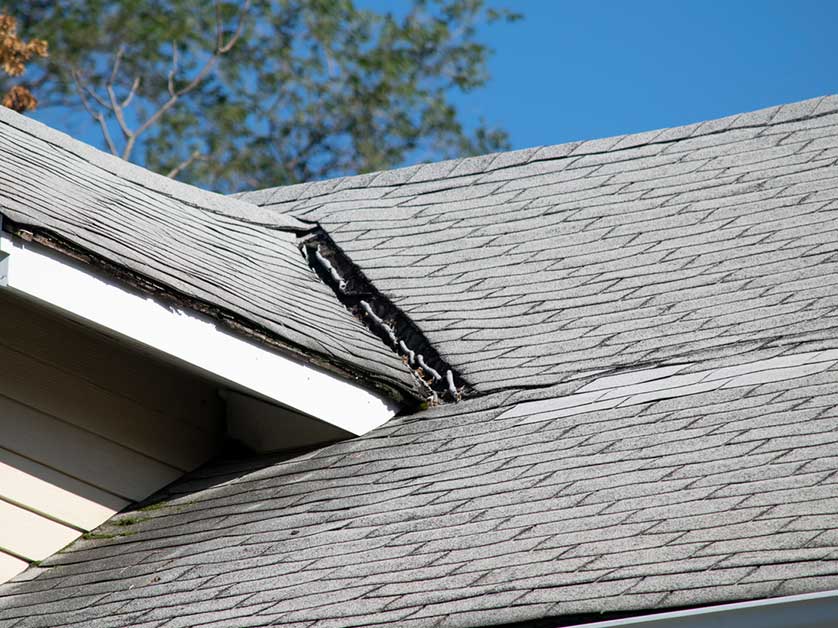
What Is Roof Flashing and Why Is It Important?
Roof flashing is typically made of thin sheets of metal that are installed at vulnerable joints on your roof, such as around chimneys, skylights, vent pipes, and where the roof meets walls or dormers. Its purpose is to direct water away from these high-risk areas, ensuring that ice, snow, and rain typical of Uxbridge, MA, do not seep into the roofing system or your home’s interior. Properly maintained flashing also helps prevent problems that could impact siding and windows and cause premature siding replacement needs.
Common Signs Your Roof Flashing Has Failed
Homeowners should stay alert for these major indicators that your flashing might need attention:
- Unexplained water stains on ceilings or walls near roof joints or eaves
- Peeling paint or wet spots on interior or exterior surfaces
- Visible rust, corrosion, or gaps in the metal flashing when viewed from the ground or during an inspection
- Missing, cracked, or bent flashing, especially after storms or high winds
- Mold or mildew growth in unexpected places, such as attic spaces or behind walls
Even minor flashing failures can quickly lead to water intrusion, which is especially concerning during heavy rains and snow thaws.
How Flashing Failure Impacts Other Home Exterior Components
Flashing defects do more than just threaten your roof. Unnoticed leaks can saturate insulation, damage wooden framing, and lead to the need for window replacement if rot attacks window frames. Persistent moisture seeping behind your siding can accelerate deterioration, putting you at risk for needing a full siding replacement, all expenses that are preventable with timely flashing repairs. In severe cases, water running behind broken flashing can also undermine your foundation and landscaping.
Local Weather and Age: Major Factors in Roofing Issues
Roofs endure year-round climate shifts, from heavy snow and ice in winter to intense rain in spring and summer. Frequent freeze-thaw cycles cause building materials to expand and contract, which can loosen and crack flashing more rapidly than in milder climates. Additionally, exposure to moisture can increase the likelihood of metal corrosion. If your home’s roof or flashing is over 15 years old, annual or biennial inspections are especially important.
When Should You Call a Siding Contractor or Roofing Professional?
If you observe any of the signs outlined above, it is important to contact a trusted local siding contractor or roofing professional for a comprehensive inspection. Early intervention can save you thousands by repairing or replacing flashing before it leads to broader water damage. During an inspection, contractors can also check for hidden problems such as moisture behind siding or window damage that might not be visible from the ground.
Contact Shine Construction Inc. for Reliable Exterior Inspections and Repairs
Safeguarding your property from roof flashing failure is vital to maintaining your investment in Uxbridge, MA. If you’ve noticed water stains, visible damage to flashing, or any signs of moisture in your home, reach out to Shine Construction Inc. Our skilled team provides thorough roof and exterior inspections to identify problems before they escalate, helping you avoid unnecessary siding replacement or window repairs down the road. Give us a call at (508) 278-3300 or fill out our contact form to get started.